Certificate of Conformity in Uzbekistan: How to Obtain a Product Certificate?
A certificate of conformity is a document confirming that a product meets the established requirements of technical regulations, standards, and other regulatory documents.
For manufacturers, importers, and sellers of products, confirmation of conformity is important. Depending on the type of product, its intended purpose, and legal requirements, mandatory certification or confirmation of conformity in another established form may be required.
Certification can apply to both domestically produced and imported goods.
A certificate is not determined solely by the product name. Its purpose, technical characteristics, area of application, manufacturer, and, in the case of imported products, the HS code must also be taken into account.
What products require a certificate of conformity?
The need for mandatory confirmation of conformity depends on the specific product type and the current technical regulations of the Republic of Uzbekistan.
Requirements may apply, in particular, to various types of:
* food products;
* electrical products;
* household appliances;
* building materials;
* furniture;
* Toys and children's goods;
* Light industry products;
* Industrial products;
* Equipment and machinery;
* Packaging materials;
* Chemical products;
* Other types of goods.
However, the product name itself does not always clearly indicate the need for certification.
If you are unsure whether a certificate of conformity is required for your product, specialists from the conformity assessment body can determine the applicable requirements based on product information and its HS code.
Mandatory and Voluntary Certification
#Mandatory Certification
Mandatory certification is carried out in cases where the legislation of the Republic of Uzbekistan establishes mandatory confirmation of the conformity of certain products with established requirements.
Before releasing a product on the market or selling it, the prescribed conformity assessment procedure must be completed.
#Voluntary Certification
Voluntary certification is carried out at the applicant's initiative in cases where it is not mandatory.
Such a certificate can be used by the manufacturer or supplier to further confirm the quality and compliance of their products with established requirements, increase consumer confidence, and participate in certain commercial procedures.
How do I determine if a certificate of conformity is required?
One of the most frequently asked questions by importers and manufacturers is:
"Does my product require a certificate of conformity?"
To determine this, it is necessary to consider not only the product name but also its characteristics and intended use.
First, it is recommended to determine:
1. The exact name of the product;
2. Its intended use and scope;
3. The manufacturer and country of origin;
4. Technical specifications;
5. The HS code;
6. The current technical regulations and normative documents applicable to the product.
After this, it is possible to determine whether mandatory confirmation of conformity is required and what specific procedure must be followed.
Why is the HS code important?
The HS code is one of the key pieces of information when determining the requirements for imported products. The same or similarly named product may have different requirements depending on its characteristics, purpose, and classification.
Therefore, when seeking certification advice, we recommend providing specialists with the following:
* product name;
* HS code;
* technical specifications;
* manufacturer details;
* country of origin.
This allows us to more accurately determine the applicable requirements and avoid choosing the wrong conformity assessment procedure.
What documents are required for certification?
The list of documents depends on the type of product, the chosen conformity assessment scheme, and other circumstances.
Depending on the specific case, the following may be required:
* application for conformity assessment;
* product documents;
* technical documentation;
* regulatory documents;
* manufacturer details;
* documents on product origin;
* documents containing technical specifications;
* test reports;
* documents confirming compliance with requirements;
* other documents in accordance with the established procedure.
The exact list of documents is determined after reviewing information about the specific product.
Product testing.
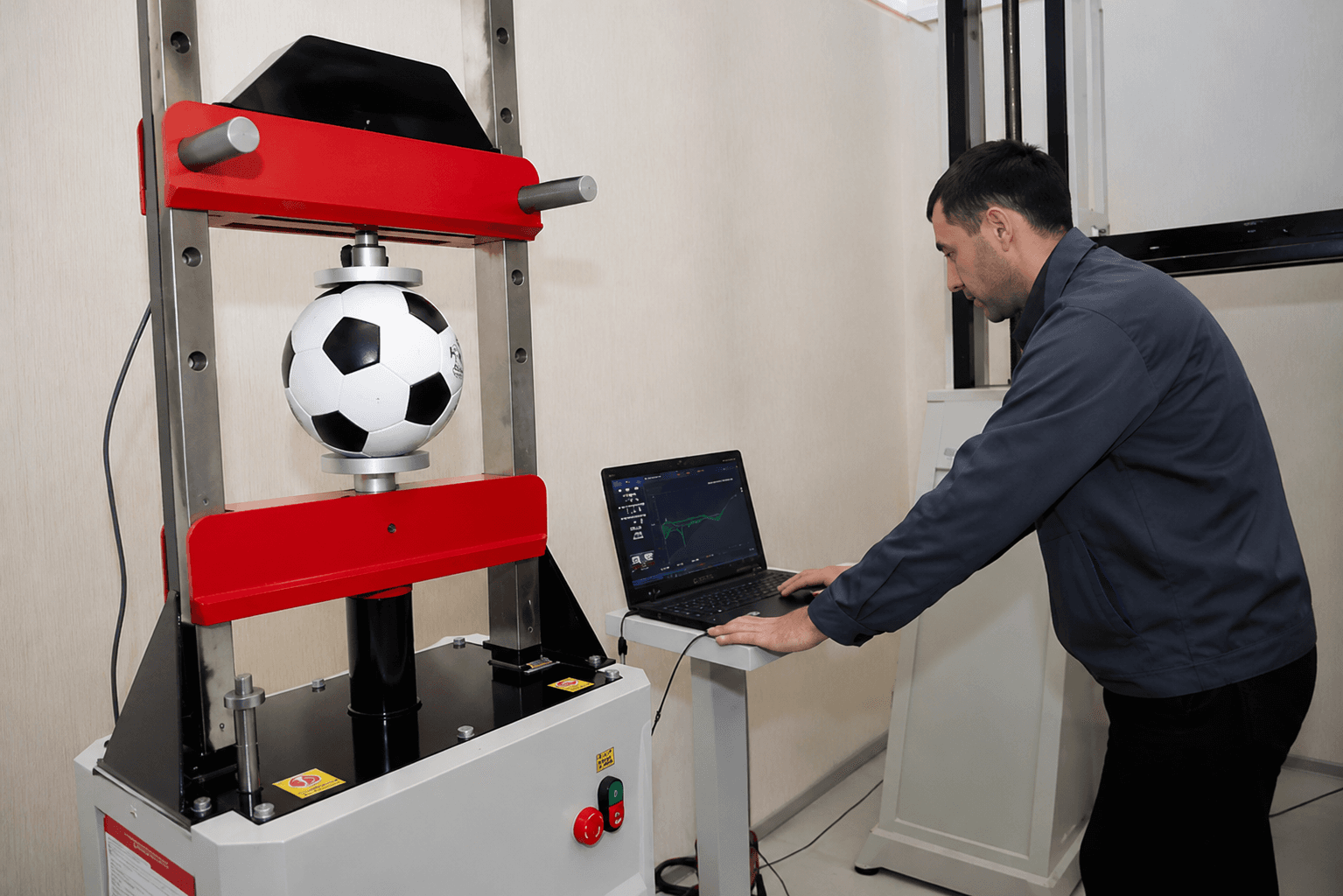
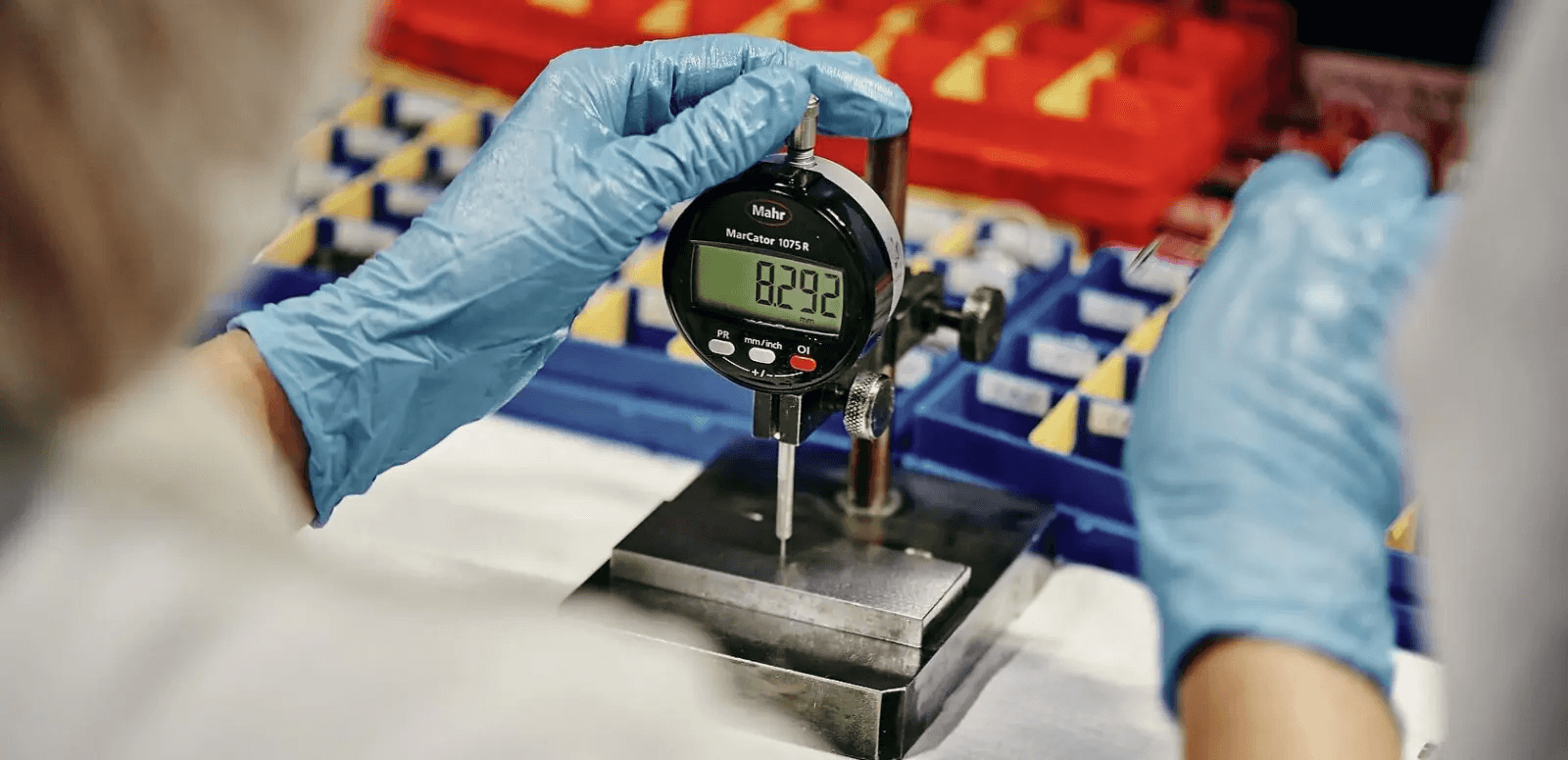
As part of the conformity assessment procedure, testing is conducted in a testing laboratory for certain types of products.
Testing helps determine whether a product meets established standards and the requirements of relevant regulatory documents.
Depending on the product type, various characteristics may be tested, such as:
* safety;
* Physical and mechanical properties;
* Chemical properties;
* Electrical characteristics;
* Strength;
* Resistance;
* Content of certain substances;
* Other parameters established by regulatory documents.
Based on the test results, a corresponding report is prepared, which can be used in the conformity assessment procedure.
How does product certification work?
Generally, the certification procedure includes several main stages.
1. Application Submission
The applicant provides information about the product and submits an application for conformity assessment.
2. Analysis of Products and Requirements
Applicable technical regulations, standards, and other regulatory documents, as well as the necessary conformity assessment procedures, are determined.
3. Determination of Required Tests
Depending on the product, a list of parameters to be verified during testing is determined.
4. Testing
Product samples are sent to the appropriate testing laboratory for the required testing.
5. Analysis of Results
The obtained results are reviewed as part of the conformity assessment procedure.
6. Registration of a Document of Conformity
Upon fulfillment of the established requirements, a corresponding document confirming product conformity is issued.
The specific procedure, scope of work, and timeframe depend on the type of product and the applicable conformity assessment scheme.
## How long is a certificate of conformity valid?
The validity period of a document of conformity depends on the applicable procedure, certification scheme, and requirements of the relevant regulatory documents.
Therefore, the certificate's validity period is determined individually in accordance with the established requirements.
## Certification of Imported Products
Importers often need to determine product requirements in advance before importing them into the Republic of Uzbekistan.
In this case, it is recommended to prepare the following information in advance:
* Product name;
* HS code;
* Country of origin;
* Manufacturer information;
* Technical specifications;
* Existing technical documentation.
Preliminary verification of requirements helps avoid situations where products have already arrived in Uzbekistan but the necessary documentation for their sale is missing.
What are the most common mistakes made by applicants?
In practice, problems can arise due to insufficient or inaccurate product information.
Common errors include:
* Incorrect HS code;
* Incomplete product name;
* Missing technical documentation;
* Insufficient information on product characteristics;
* Attempting to determine the need for certification based solely on the product name;
* Using outdated regulatory documents;
* Inconsistency between the submitted documents and the actual product.
To avoid such situations, it is recommended to consult with conformity assessment specialists in advance.
How to obtain a certificate of conformity through SQA?
SQA Group carries out product conformity assessment services in accordance with its accreditation scope.
If you need to determine whether a certificate of conformity is required for your product, you can contact SQA specialists.
For a preliminary consultation, we recommend providing the following:
**1. Product name
**2. HS code
**3. Country of origin
**4. Manufacturer
**5. Brief description and purpose of the product
**6. Available technical documentation
Based on the information provided, specialists will be able to determine applicable requirements and advise whether the relevant work can be carried out within the SQA accreditation scope.
Need a certificate of conformity?
Not sure if your product requires a certificate?
Send us the product name and HS code – SQA specialists will help determine the applicable requirements and the next steps.
Submit an application for certification or consult with SQA specialists.